Player Character Portraits
Give every player a clear portrait of their character, with class-inspired and race-inspired direction that stays consistent as the campaign grows.
PC references and party lineupsStructured character families for your campaign cast, not one-off prompts.
The Character / Hero family is engine one of the seven VISINVOKE™ D&D Image output engines. Build player characters, NPCs, heroes, villains, companions and faction leaders as a consistent, reusable cast through guided controls, with up to 4,000 selectable options to choose from per generator and repeatable output you can return to.
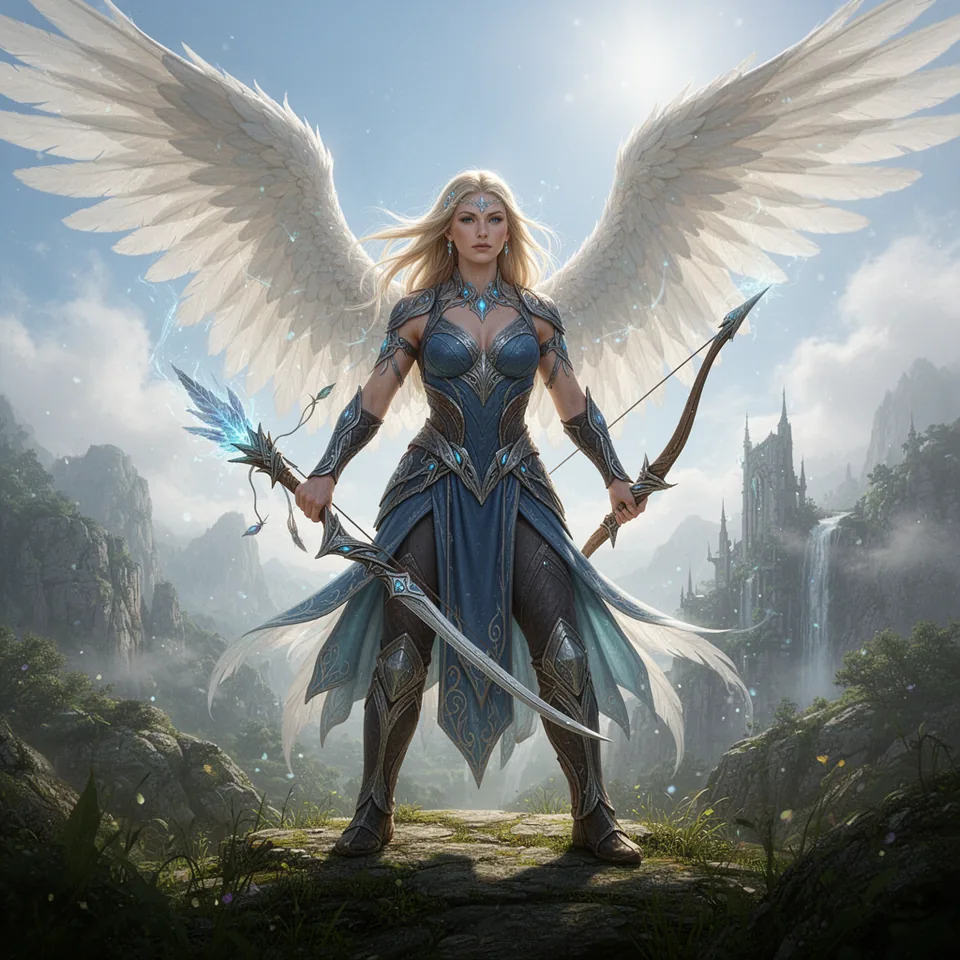
The Character / Hero family is built for people who run and play tabletop fantasy campaigns. Instead of typing a fresh prompt every time and hoping the result matches, you work through guided controls that hold direction and style, so your cast stays coherent from the first session to the last.
It supports portraits, NPCs, heroes, villains and faction figures, and it connects directly into the wider VISINVOKE™ D&D Image system and the full platform, so your characters sit alongside your creatures, locations and battlemaps.
This example shows how VISINVOKE can produce multiple accurate images from the same structured selection direction, then create a controlled variation by changing selected options. The two runs below use the same choices and come out near-identical. The third keeps that direction and changes a single control for a deliberate variation, not a brand-new figure. Character / Hero is only the example engine shown here. The same structured-control model applies across characters, NPCs, creatures, monsters, environments, magic effects, artifacts, dungeons, settlements and planar systems.
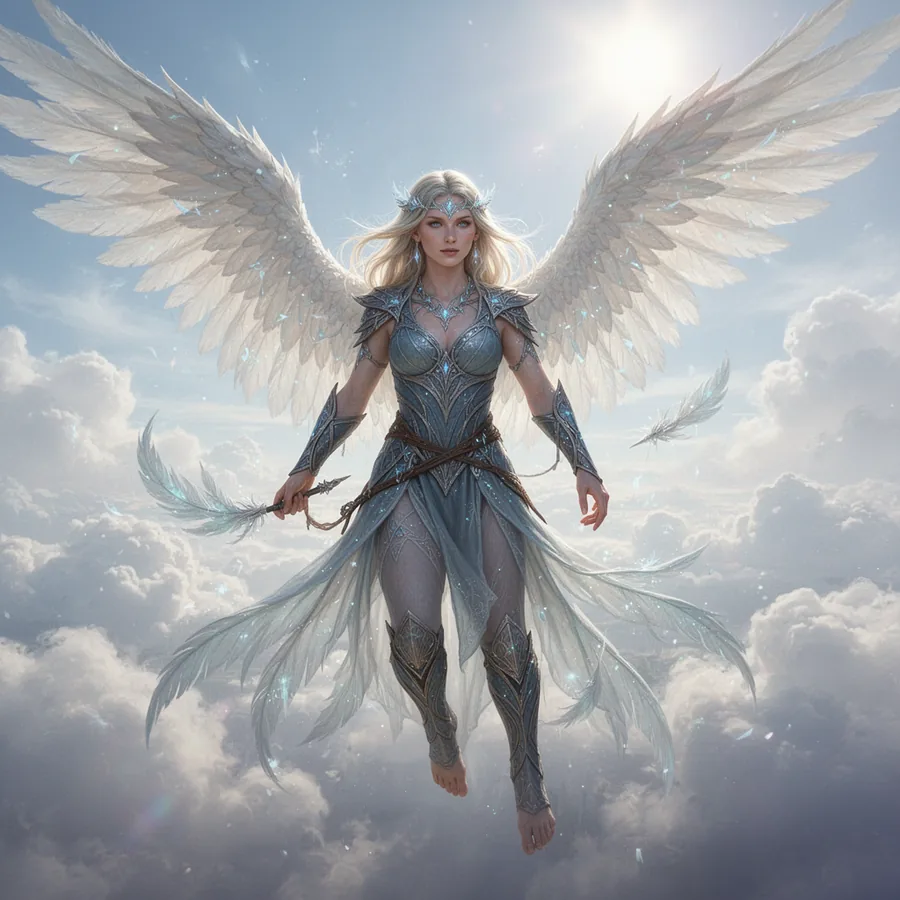
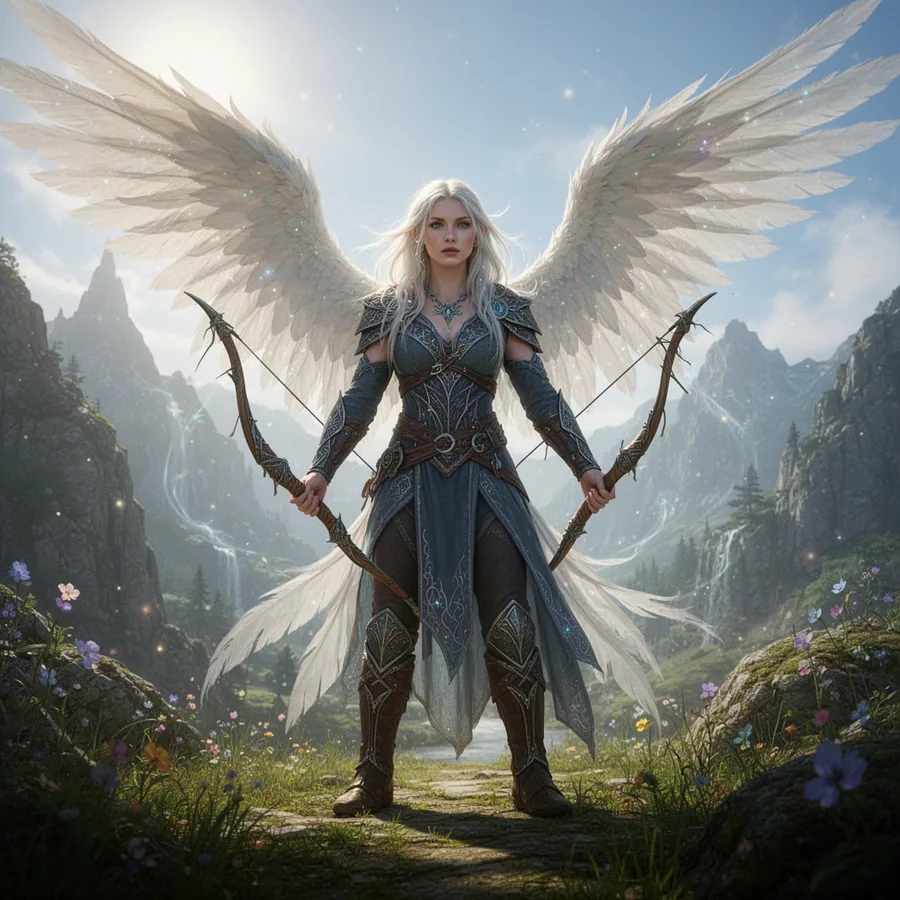
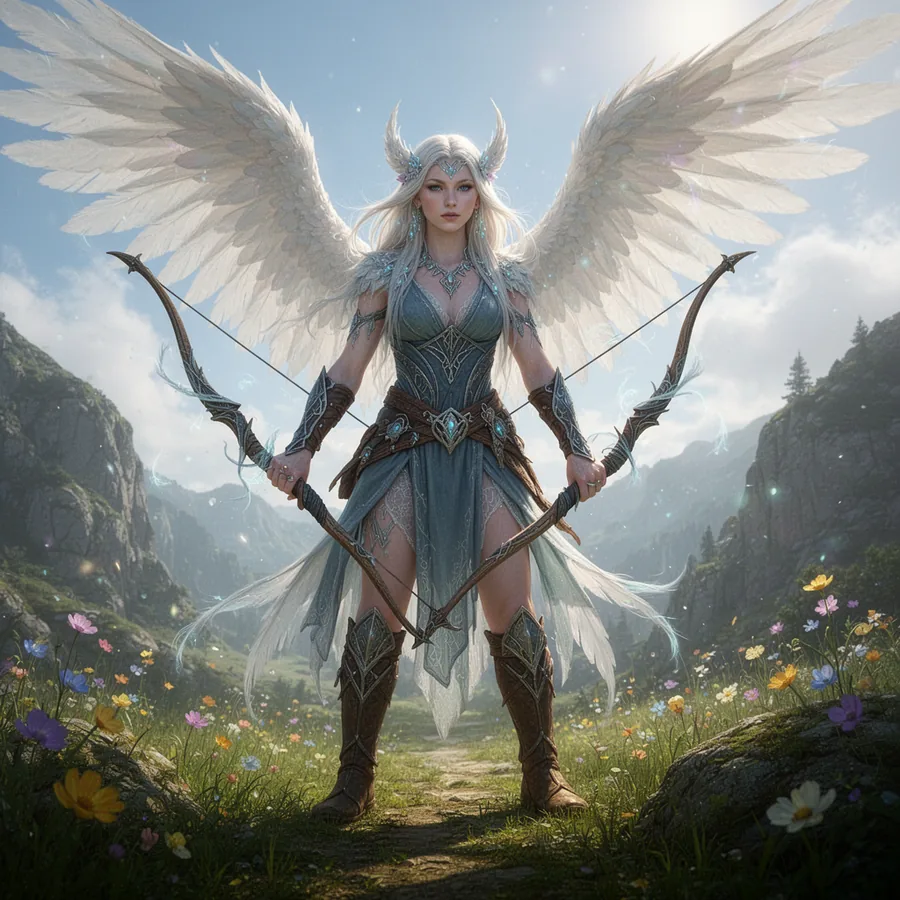
Character and hero images are not disposable one-off results. Every build you generate here is saved in your account-linked Build Workspace, so you can return to recent builds, continue a build, duplicate and refine it, add it to a collection and save a preset for a recurring cast member. Builds from this family can then be refined with Quick Edit rather than restarted from a blank prompt.
Quick Edit: reopen a character build and adjust structured controls such as camera, scale, focus, style, detail, lighting and atmosphere to create a controlled variation. A recurring NPC, a signature villain or a player character can be kept the same and adjusted for a new session, a variant look, changed lighting or an alternate atmosphere.
Every card below is generated through the same structured family, so your protagonists, allies and antagonists all belong to the same visual world.
Give every player a clear portrait of their character, with class-inspired and race-inspired direction that stays consistent as the campaign grows.
PC references and party lineupsMerchants, nobles, guards, priests, cultists and travellers, ready as reusable references so recurring NPCs look the same each session.
Recurring cast made consistentStandout heroes and champions with the weight and presence a campaign centrepiece needs, held to a single art direction.
Signature campaign figuresBuild the antagonists your table remembers, from recurring rivals to the villain behind the whole arc, with matched tone across appearances.
Story reveals and rivalriesCompanions, hirelings and allied figures that travel with the party, generated to sit naturally beside your player characters.
Party-side supporting castGive each faction a face. Leaders, envoys and figureheads that make your political and organisational structure visual.
Faction planning made visibleThe family is shaped around the real work of running a campaign, so what you generate has a clear place in your session.
Line up the cast you need before you sit down to run.
Prepare character references to share during play.
Give players a clear picture of their own characters.
Attach a face to every named NPC in your notes.
Map out leaders and figureheads across your world.
Hold back a villain image for the right dramatic moment.
Keep returning characters visually consistent over time.
Set the mood a scene calls for, from grim to heroic.
The difference is reuse. A guided family gives you a cast you can return to. Random prompting gives you images you have to fight to match later.
Character / Hero is the engine you are on now. It works alongside six more output engines that cover the rest of your campaign world.
Structured character and hero imagery for player characters, NPCs, heroes, villains, companions and faction leaders, built as a reusable campaign cast.
Beasts, monsters and adversaries for encounters and bestiary references.
Settlements, wilds and interiors that set the scene for your campaign.
Tactical maps for encounters, ready for VTT and combat play.
Spell effects, auras and arcane visuals for dramatic moments.
Items, artifacts and structures that give your world detail and stakes.
Story-beat scenes that capture the big turns in your campaign.
Character images from this family are designed for use with campaign prep and virtual tabletop play. They are usable as references, handouts and tokens where suitable, so they slot straight into how your table already runs.
Designed for use with these systems. VISINVOKE does not claim direct integrations.
This family is one part of a connected platform. These systems work with it to cover the rest of your campaign and command needs.
Common questions about what the family does and how it fits the wider VISINVOKE platform.
Create a free VISINVOKE account, open the Dashboard, and prepare your campaign cast for launch on 30 October 2026.